The Benefits of Group Fitness Classes for Mental and Physical Health
The Benefits of Group Fitness Classes for Mental and Physical Health: Comprehensive Insights and Practical Advantages
By Fitness Director, The DRHC
Group fitness classes offer a unique blend of physical activity and social interaction, making them a powerful tool for enhancing both mental and physical health. These classes provide structured environments where individuals can engage in various workouts, fostering motivation and accountability. Participants often experience improved mood, reduced stress, and enhanced overall well-being. This article delves into the multifaceted benefits of group fitness classes, exploring their psychological advantages, physical health improvements, and the social interactions that contribute to a supportive fitness community. We will also examine how facilities like “The Dearborn Racquet and Health Club” (The DRHC) facilitate these benefits through their diverse offerings.
Research further supports the comprehensive benefits of group exercise for both physical and mental well-being, as well as fostering social connections.
Group Exercise Benefits: Physical, Mental Health & Social Relationships
Group exercise may reduce the risk of physical and mental illness by improving adherence to physical activity, psychological factors, and social relationships.
Group exercise for adults and elderly: Determinants of participation in group exercise and its associations with health outcome, S Kanamori, 2015
Psychological Advantages
Group fitness classes significantly enhance mental health by providing motivation and accountability. Engaging in physical activity with others can lead to reduced feelings of isolation and anxiety, as participants share their experiences and support one another. The structured environment of these classes encourages individuals to push their limits, leading to a sense of accomplishment and improved self-esteem. Furthermore, the social aspect of group workouts fosters connections that can alleviate stress and promote a positive mindset.
Studies have shown that consistent participation in group exercise can lead to significant improvements in social function and overall mental health.
Group Exercise Improves Social Function & Mental Health
A significant difference was noted in social function post training 2X/week and 3X/week. Training 3X/week a week provided an additional benefit in vitality. Improvements in mental component summary scale post training 2X/week and 3X/week were also observed.
The effect of group exercise frequency on health related quality of life in institutionalized elderly, S Ramklass, 2017
Physical Health Improvements
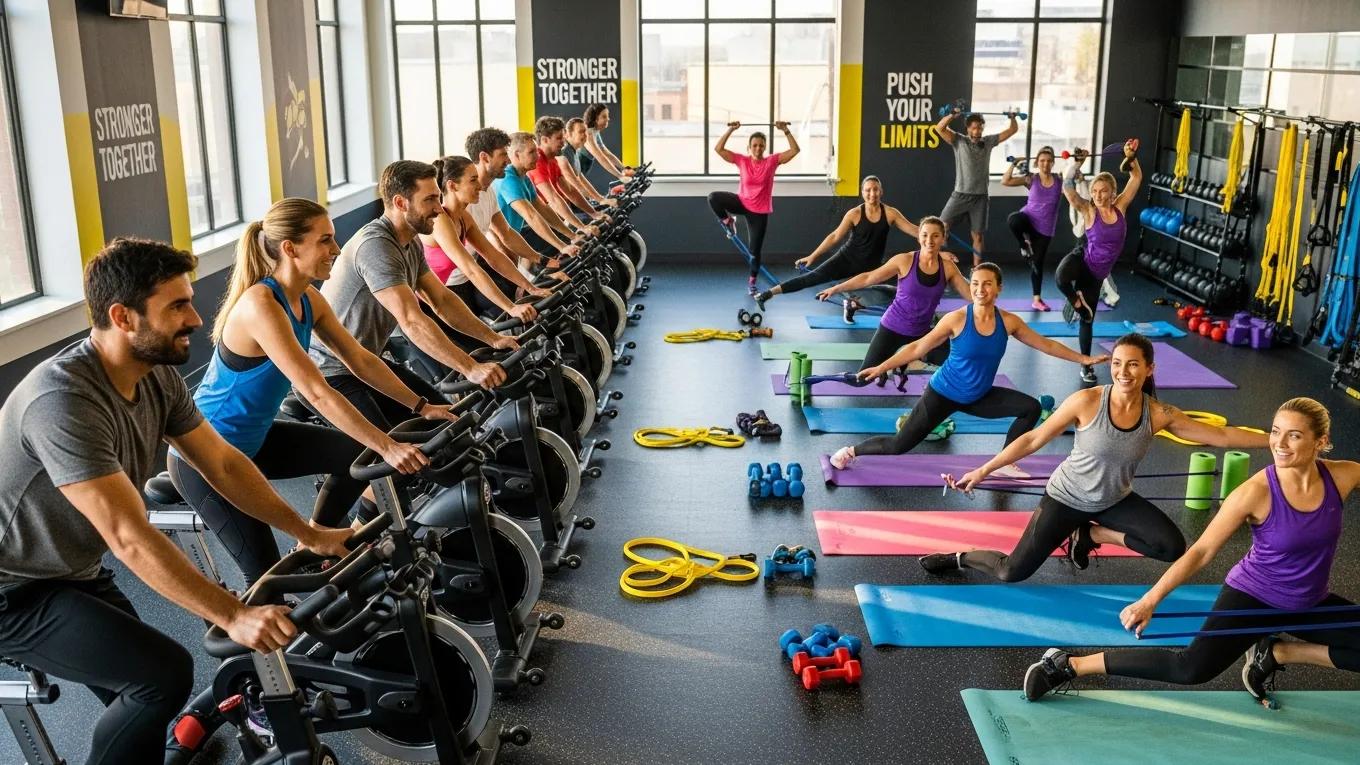
Regular participation in group fitness classes leads to numerous physical health benefits. These classes often incorporate a variety of workouts, including cardiovascular exercises and strength training, which are essential for overall fitness. Engaging in diverse activities not only prevents boredom but also reduces the risk of injury by promoting balanced muscle development and flexibility.
How Do Cardiovascular Group Classes Promote Heart Health and Endurance?
Cardiovascular group classes, such as cycling or dance-based workouts, are designed to elevate heart rates and improve cardiovascular health. Studies show that participants in these classes can experience significant improvements in heart health, including lower blood pressure and enhanced endurance. Regular engagement in cardiovascular activities can lead to a stronger heart and increased stamina, making daily activities easier and more enjoyable.
In What Ways Does Strength Training in Group Workouts Build Muscle and Mobility?
Strength training classes, often conducted in a group setting, focus on building muscle and enhancing mobility. These classes typically include exercises that target multiple muscle groups, promoting overall strength and functional fitness. Participants benefit from the guidance of instructors who ensure proper form and technique, reducing the risk of injury. Additionally, strength training is crucial for maintaining bone density and metabolic health, making it an essential component of a well-rounded fitness regimen.
Social Interaction Benefits

The social interaction provided by group fitness classes is a key factor in their effectiveness. Participants often form friendships and support networks, which can enhance their commitment to fitness goals. This sense of community encourages individuals to attend classes regularly, leading to better adherence to exercise routines. Moreover, the shared experience of working out together fosters a positive atmosphere that can make fitness more enjoyable.
Indeed, the sense of community and social support found in group fitness environments is a powerful motivator for consistent exercise adherence.
Group Exercise Adherence: The Power of Community & Social Support
Community engagement has helped facilitate participant adherence, which is particularly applicable for group exercise programs. Developing a sense of community (SOC) helps participants feel that they belong and provides ongoing social support.
Incorporating a sense of community in a group exercise intervention facilitates adherence, KM Heinrich, 2022
Practical Applications for Enhancing Well-Being
Group fitness classes offer practical applications for enhancing overall well-being. The structured environment allows individuals to focus on their fitness goals while benefiting from the support of others. This accessibility makes it easier for people of all fitness levels to participate and find a class that suits their needs. The supportive atmosphere encourages individuals to challenge themselves, leading to improved physical and mental health outcomes.
How Do Group Fitness Classes Enhance Mental Health and Well-Being?
Group fitness classes play a crucial role in enhancing mental health by providing a platform for social support and shared experiences. Participants often report feeling more motivated and less stressed when exercising in a group setting. The camaraderie built within these classes can lead to lasting friendships, further contributing to emotional well-being.
What Are the Key Mental Health Benefits of Group Exercise?
- Reduction in Anxiety: Engaging in physical activity can lower anxiety levels, providing a natural way to cope with stress.
- Improved Mood: The release of endorphins during exercise contributes to a more positive outlook and overall happiness.
- Enhanced Self-Esteem: Achieving fitness goals in a supportive environment boosts confidence and self-worth.
How Does Social Support in Fitness Communities Improve Confidence and Reduce Stress?
Social support within fitness communities is vital for enhancing confidence and reducing stress. Participants often share their challenges and successes, creating a sense of belonging that can alleviate feelings of isolation. This supportive network encourages individuals to stay committed to their fitness journeys, ultimately leading to improved mental health outcomes.
Key Benefits of Group Fitness Classes for Mind and Body
Flexibility training and recovery programs are essential components of a comprehensive fitness regimen. These practices help prevent injuries and promote overall physical health, making them a valuable addition to group fitness classes. Incorporating flexibility training into workouts enhances mobility and reduces muscle tension, while recovery programs ensure that participants can maintain their fitness levels over time.
What Role Does Pilates Reformer Training Play in Enhancing Flexibility and Injury Prevention?
“Pilates Reformer training” is particularly effective for enhancing flexibility and preventing injuries. This method focuses on controlled movements that improve core strength and flexibility, making it an excellent complement to other forms of exercise. Participants often find that regular Pilates sessions lead to greater overall body awareness and improved posture, which can enhance performance in other fitness activities.
How Do Recovery Methods at The DRHC Support Long-Term Fitness Success?
The DRHC offers a range of recovery methods designed to support long-term fitness success. These services include mobility work and restorative therapies that help participants recover from intense workouts. By prioritizing recovery, individuals can reduce the risk of injury and maintain their fitness levels, ensuring that they can continue to participate in group classes effectively.
Why Is Personalized Coaching Essential in Maximizing Group Fitness Outcomes?
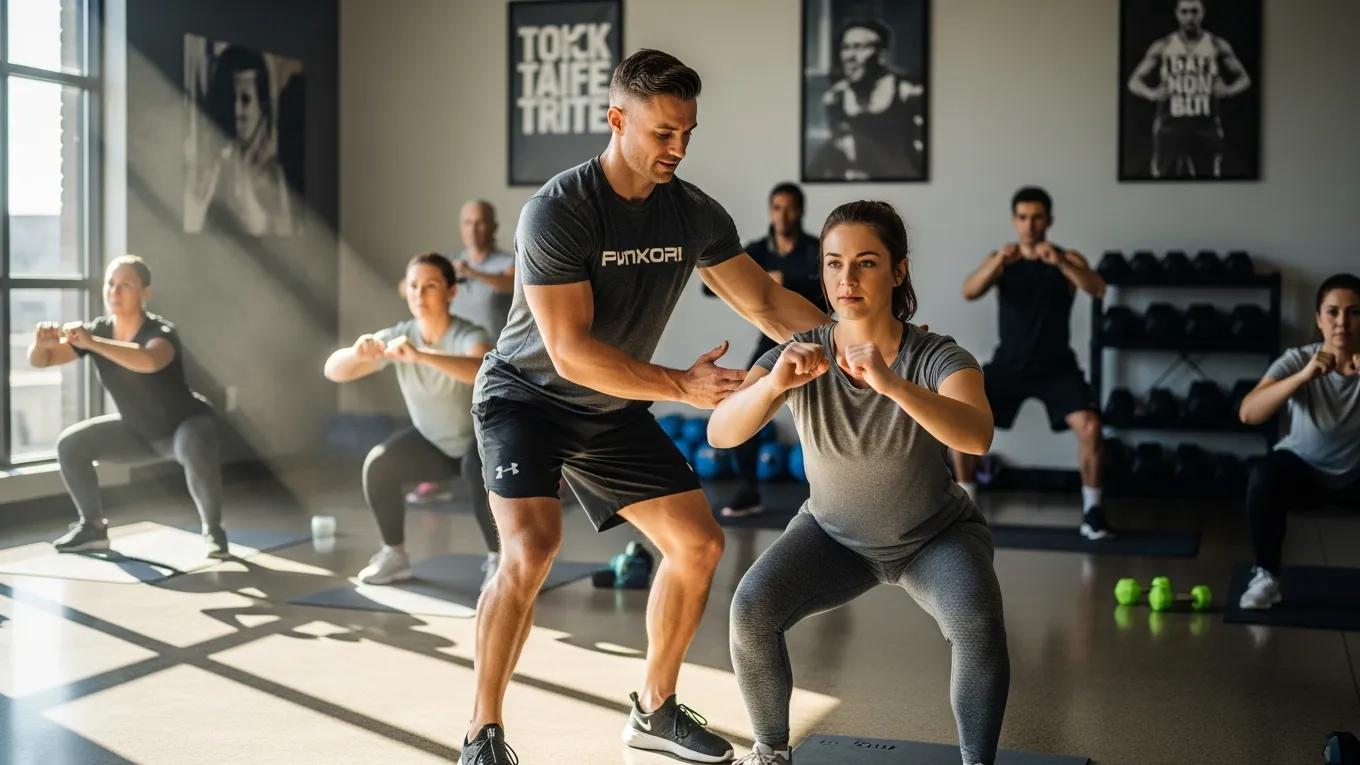
Personalized coaching plays a crucial role in maximizing the benefits of group fitness classes. Coaches can tailor programs to meet individual needs, ensuring that participants receive the guidance necessary to achieve their fitness goals. This personalized approach enhances motivation and accountability, leading to better overall results.
How Do Customized Fitness Programs Address Individual Needs Within Group Settings?
Customized fitness programs are designed to address the unique needs of each participant while still fostering a group environment. By assessing individual fitness levels and goals, coaches can create tailored plans that promote progress and engagement. This approach not only enhances the effectiveness of workouts but also encourages participants to support one another in their fitness journeys.
What Are the Advantages of Professional Coaching for Motivation and Progress Tracking?
Professional coaching offers several advantages, including enhanced motivation and effective progress tracking. Coaches provide valuable feedback and encouragement, helping participants stay focused on their goals. Additionally, regular assessments allow individuals to see their progress over time, reinforcing their commitment to fitness.
What Are the Community and Social Support Advantages of Group Fitness Classes?
Group fitness classes provide significant community and social support advantages. Participants often form bonds that extend beyond the gym, creating a network of support that can enhance their overall well-being. This sense of community encourages individuals to stay active and engaged in their fitness journeys.
How Does Being Part of a Fitness Community Enhance Exercise Adherence?
Being part of a fitness community significantly enhances exercise adherence. The social connections formed in group classes create a sense of accountability, motivating individuals to attend regularly. This supportive environment fosters a positive attitude towards fitness, making it easier for participants to maintain their routines.
What Success Stories Illustrate the Impact of Group Fitness on Mental and Physical Health?
Numerous success stories highlight the transformative impact of group fitness on mental and physical health. Participants often share their journeys of overcoming challenges and achieving their fitness goals, inspiring others to embark on their own paths to wellness. These stories serve as powerful reminders of the benefits of community and support in fitness.
How Does The Dearborn Racquet and Health Club Facilitate Holistic Wellness Through Group Fitness?
The DRHC is dedicated to facilitating holistic wellness through its diverse range of group fitness classes and wellness services. By offering a variety of programs, the facility ensures that individuals can find the right fit for their fitness needs, promoting overall health and well-being.
What Facilities and Wellness Services Support Group Fitness Participants at The DRHC?
The DRHC provides state-of-the-art facilities and wellness services that support group fitness participants. Amenities include a fully equipped fitness center, group exercise studios, and an indoor heated pool, all designed to enhance the fitness experience. These resources ensure that participants have access to everything they need to succeed in their fitness journeys.
How Does The DRHC Integrate Nutrition and Recovery to Enhance Fitness Results?
Nutrition and recovery are integral components of the fitness experience at The DRHC. The facility offers “nutrition counseling” and recovery services that complement group fitness classes, helping participants achieve optimal results. By addressing these aspects, The DRHC supports long-term health and wellness for all its members.
To learn more about the club, you can visit the “about us” page.
The DRHC also has a “fitness blog” with helpful tips and information.
Frequently Asked Questions
What types of group fitness classes are available for different fitness levels?
Group fitness classes cater to a wide range of fitness levels, from beginners to advanced participants. Common offerings include low-impact aerobics, high-intensity interval training (HIIT), yoga, Pilates, and strength training. Many facilities, like The DRHC, provide classes specifically designed for seniors or those recovering from injuries, ensuring that everyone can find a suitable option. Instructors often modify exercises to accommodate varying abilities, promoting inclusivity and encouraging all participants to engage at their own pace.
How can I stay motivated to attend group fitness classes regularly?
Staying motivated to attend group fitness classes can be achieved through several strategies. Setting specific fitness goals, such as improving endurance or strength, can provide a clear focus. Additionally, finding a workout buddy or joining a supportive community can enhance accountability. Participating in different classes to keep workouts fresh and exciting also helps maintain interest. Lastly, tracking progress and celebrating small achievements can boost motivation and reinforce commitment to a regular fitness routine.
Are there any age restrictions for participating in group fitness classes?
Most group fitness classes are designed to be inclusive and accommodate participants of all ages. However, specific age restrictions may apply depending on the class type and facility policies. For instance, some high-intensity classes may be more suitable for younger adults, while others, like yoga or water aerobics, are often tailored for older adults. It’s best to check with the fitness center, such as The DRHC, for any age-related guidelines and to find classes that best suit individual needs.
What should I bring to a group fitness class?
When attending a group fitness class, it’s essential to come prepared. Participants should bring a water bottle to stay hydrated, a towel for personal comfort, and appropriate workout attire that allows for movement. If the class involves specific equipment, such as yoga mats or weights, check in advance whether these are provided or if you need to bring your own. Additionally, wearing supportive footwear is crucial for safety and performance during workouts.
How do group fitness classes contribute to building a supportive community?
Group fitness classes foster a sense of community by bringing together individuals with shared goals and interests. Participants often bond over their fitness journeys, creating friendships that extend beyond the gym. The supportive atmosphere encourages members to motivate each other, share experiences, and celebrate achievements together. This camaraderie not only enhances the enjoyment of workouts but also helps individuals feel more connected, reducing feelings of isolation and promoting overall mental well-being.
Can group fitness classes help with weight management?
Yes, group fitness classes can be highly effective for weight management. The combination of structured workouts and social support encourages regular participation, which is crucial for burning calories and building muscle. Classes often incorporate a variety of exercises that boost metabolism and promote fat loss. Additionally, the motivation from instructors and fellow participants can help individuals stay committed to their fitness goals, making it easier to maintain a healthy lifestyle and achieve desired weight outcomes.