Optimal Athlete & Fitness Nutrition: The DRHC Guide

The Importance of Proper Nutrition for Athletes and Fitness Enthusiasts: Optimizing Performance and Recovery
By Fitness Director, The DRHC
Proper nutrition is a cornerstone of athletic performance and overall wellness, playing a crucial role in how athletes and fitness enthusiasts achieve their goals. Nutrition not only fuels the body but also aids in recovery, enhances performance, and supports long-term health. This article delves into the essential dietary components that athletes need, the significance of meal planning around workouts, and the critical role of hydration. Additionally, we will explore how nutrition can prevent injuries and support recovery, along with personalized nutrition services available at “The Dearborn Racquet and Health Club” (The DRHC). By understanding these elements, individuals can optimize their training and health outcomes.
Key Dietary Components
Athletes require a well-rounded diet that includes a variety of essential nutrients to support their training and performance. Key dietary components include macronutrients such as carbohydrates, proteins, and fats, as well as micronutrients like vitamins and minerals. Each of these plays a unique role in energy production, muscle repair, and overall health.
Carbohydrates are vital as they serve as the primary energy source during high-intensity workouts. Proteins are essential for muscle repair and growth, while fats provide sustained energy for longer-duration activities. Additionally, hydration is crucial for maintaining performance levels and preventing fatigue. Understanding the importance of these components can help athletes make informed dietary choices that enhance their performance.
What Are the Essential Macronutrients for Athletic Performance?

Macronutrients are the nutrients required in larger amounts that provide energy and support bodily functions. The three primary macronutrients are proteins, carbohydrates, and fats, each contributing uniquely to athletic performance.
How Do Proteins Support Muscle Growth and Strength Training?
Proteins are fundamental for muscle repair and growth, especially after intense workouts. They provide the building blocks, known as amino acids, necessary for muscle recovery. Consuming protein post-workout is crucial, as it helps to stimulate muscle protein synthesis, leading to increased strength and muscle mass. Effective protein sources include lean meats, dairy products, legumes, and protein supplements.
What Roles Do Carbohydrates and Fats Play in Energy and Endurance?
Carbohydrates are the body’s preferred energy source, particularly during high-intensity exercise. They are stored as glycogen in muscles and the liver, which can be quickly mobilized for energy. Fats, on the other hand, serve as a vital energy source during prolonged, lower-intensity activities. Balancing carbohydrate and fat intake is essential for optimizing energy levels and endurance during training and competition.
Fueling Athletes: Proper Nutrition for Performance & Recovery
Meal planning is critical for athletes to ensure they are adequately fueled for their workouts and recovery. Timing meals around training sessions can significantly impact performance and recovery.
Indeed, the synergy between diet and exercise is paramount for achieving peak athletic potential.
Maximizing Training Effectiveness with Pre & Post-Workout Nutrition
When implemented properly and consistently, strategic pre- and post-workout supplementation can greatly increase the effectiveness of your training. Without optimum nutritional strategies, the body’s response to training can only be considered a compromise at best. From this perspective, training and diet can not be considered as separate factors. The food and supplements that you take, and the work that you faithfully perform in the gym, are both part of your training. On the day of competition it will not be the athlete who trained harder who wins, it will be the athlete who trained smarter.
Pre-and Post-workout nutrition to maximize the training effect
What Are Effective Pre-Workout Nutrition Strategies?
Pre-workout nutrition should focus on providing energy and preventing fatigue. Athletes should aim to consume a meal rich in carbohydrates and moderate in protein about 2-3 hours before exercising. Examples of effective pre-workout snacks include oatmeal with fruit, a smoothie, or a banana with nut butter. These foods help to optimize energy levels and enhance performance.
Which Post-Workout Foods Enhance Recovery and Muscle Repair?
Post-workout nutrition is equally important, as it aids in recovery and muscle repair. Consuming a combination of protein and carbohydrates within 30 minutes after exercise can help replenish glycogen stores and promote muscle recovery. Ideal post-workout foods include protein shakes, Greek yogurt with fruit, or a turkey sandwich. These meals provide the necessary nutrients to support recovery and prepare the body for future workouts.
While the timing of protein intake is often debated, research suggests that both pre- and post-workout consumption can yield similar benefits for muscle adaptation.
Pre vs. Post-Workout Protein: Muscle Adaptation & Body Composition
The purpose of this study was to test the anabolic window theory by investigating muscle strength, hypertrophy, and body composition changes in response to an equal dose of protein consumed either immediately pre- versus post-resistance training (RT) in trained men. Subjects were 21 resistance-trained men (>1 year RT experience) recruited from a university population. After baseline testing, participants were randomly assigned to 1 of 2 experimental groups: a group that consumed a supplement containing 25 g protein and 1 g carbohydrate immediately prior to exercise (PRE-SUPP) (n= 9) or a group that consumed the same supplement immediately post-exercise (POST-SUPP) (n= 12). The RT protocol consisted of three weekly sessions performed on non-consecutive days for 10 weeks. A total-body routine was employed with three sets of 8–12 repetitions for each exercise. Results showed that pre- and post-workout protein consumption had similar effects on all measures studied (p> 0.05)
Pre-versus post-exercise protein intake has similar effects on muscular adaptations, BJ Schoenfeld, 2017
Why Is Hydration Critical for Fitness Enthusiasts and Athletes?
Hydration is a fundamental aspect of athletic performance that is often overlooked. Proper hydration helps maintain optimal body function, regulates temperature, and supports cardiovascular health during exercise.
How Does Proper Hydration Influence Athletic Performance?
Dehydration can lead to decreased performance, increased fatigue, and impaired cognitive function. Studies show that even a 2% loss in body weight due to dehydration can negatively impact performance. Therefore, athletes should monitor their hydration levels and aim to drink fluids before, during, and after exercise to maintain optimal performance.
What Are Recommended Hydration Strategies and Electrolyte Balancing?
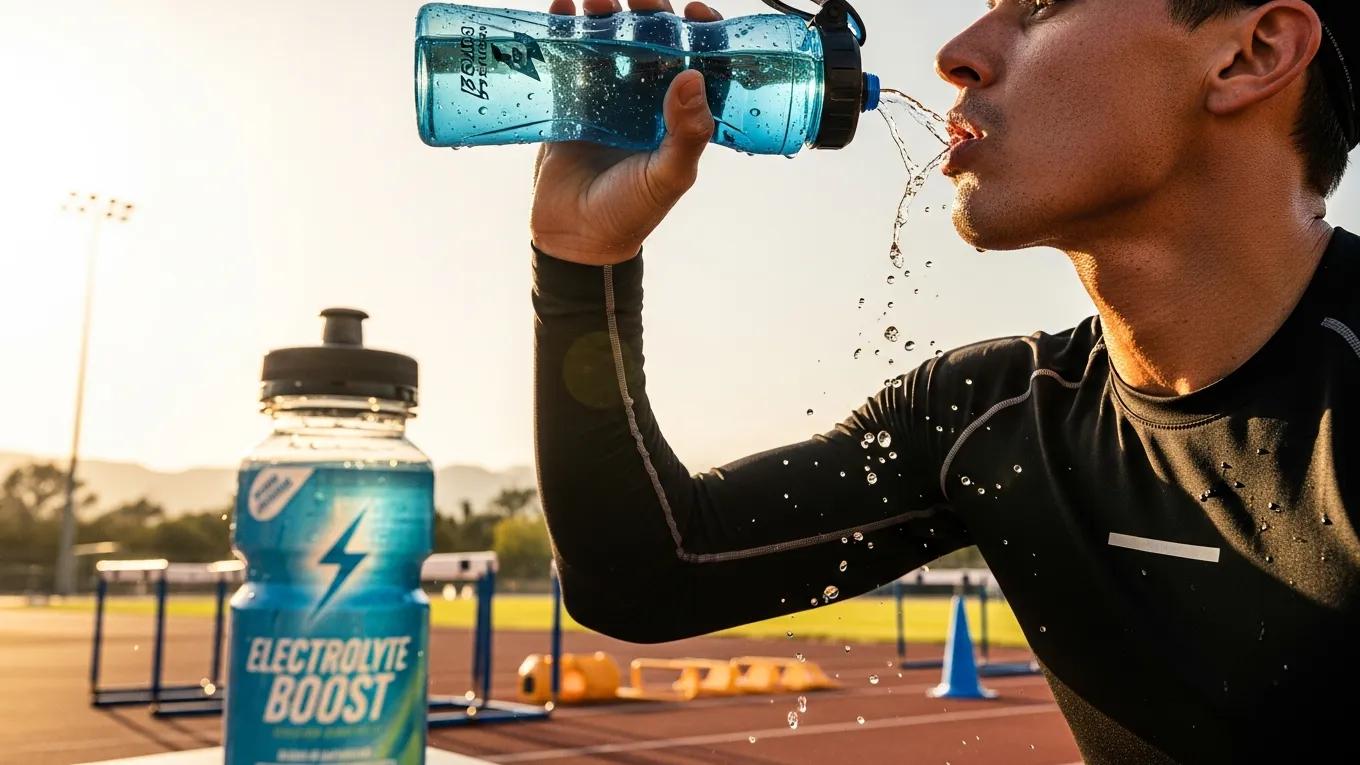
To stay hydrated, athletes should follow specific strategies, such as drinking water regularly throughout the day and consuming electrolyte-rich beverages during prolonged exercise. Electrolytes, such as sodium and potassium, are essential for maintaining fluid balance and preventing cramping. Monitoring urine color can also be a helpful indicator of hydration status.
How Does Nutrition Support Recovery and Injury Prevention in Strength Training?
Nutrition plays a vital role in recovery and injury prevention, particularly for those engaged in strength training. A well-balanced diet can help reduce muscle soreness and enhance recovery times.
Which Nutrients Aid in Reducing Muscle Soreness and Enhancing Recovery?
Certain nutrients, such as omega-3 fatty acids, antioxidants, and specific vitamins and minerals, can aid in reducing inflammation and muscle soreness. Foods rich in these nutrients include fatty fish, berries, nuts, and leafy greens. Incorporating these foods into the diet can support recovery and overall health.
How Do Recovery Therapies Complement Nutrition for Injury Prevention?
Recovery therapies, such as massage, stretching, and foam rolling, can enhance the benefits of proper nutrition. These therapies help to alleviate muscle tension and improve circulation, which can further support recovery and prevent injuries. Combining nutrition with recovery strategies creates a holistic approach to athletic performance and health.
What Personalized Nutrition Services Does The Dearborn Racquet and Health Club Offer?
The Dearborn Racquet and Health Club (The DRHC) offers personalized nutrition services designed to help individuals optimize their dietary habits for better performance and health. These services include one-on-one consultations with nutrition experts who can tailor meal plans to meet specific fitness goals and dietary needs.
By focusing on “personalized nutrition”, The DRHC empowers members to make informed choices that align with their fitness objectives, whether they are training for a competition or seeking to improve overall wellness.
This emphasis on tailored dietary approaches is supported by research highlighting the critical role of personalized nutrition and specific macronutrient supplements in optimizing athlete health and performance.
Personalized Nutrition & Macronutrient Supplements for Athlete Health & Performance
The main argument for the optimization of nutritional strategies in athletes, besides improved performance, is the preservation of health and the prevention of unwanted training effects. This highlights the importance of personalized nutrition strategies, as well as functional foods and phytonutrients based on individual requirements which can be precisely defined by detailed analyses, including genetics, epigenetics, gut microbiota, gender, and environmental factors. Macronutrient supplements, such as carbohydrates, proteins, protein components, fatty acids and probiotics are known to provide benefits for athletes with energy deficits, electrolyte imbalance, gastrointestinal issues, fatigue, and cardiovascular issues.
Nutritional supplements for athletes and personalization; a short review, A Haslberger, 2022
How Can Families and Recreational Members Benefit from Proper Nutrition?
Proper nutrition is not just for athletes; families and recreational members can also benefit significantly from healthy eating habits. Establishing a nutritious diet can enhance overall family health and support active lifestyles.
What Are Nutrition Tips for Supporting Family Fitness Activities?
- Meal Planning Together: Involve family members in planning meals to encourage healthy choices.
- Healthy Snacks: Stock up on nutritious snacks like fruits, nuts, and yogurt to fuel activities.
- Cooking as a Family: Prepare meals together to teach children about nutrition and cooking skills.
By integrating these practices, families can foster a culture of health and wellness that supports their fitness activities.
How Does Integrating Nutrition with Pilates and Recovery Therapies Enhance Wellness?
Integrating nutrition with fitness therapies, such as “Pilates” and recovery sessions, can enhance overall wellness. Nutrition provides the necessary fuel for physical activity, while Pilates and recovery therapies help improve flexibility, strength, and relaxation.
By understanding the synergy between nutrition and fitness therapies, individuals can create a comprehensive wellness plan that supports their physical and mental health. This holistic approach not only enhances performance but also promotes long-term well-being.
To learn more about our facilities and how we can help you achieve your fitness goals, visit our “facilities” page.
Stay updated with the latest health and fitness tips by visiting “our blog”.
Discover more “about us” and our commitment to your health and fitness journey.
Frequently Asked Questions
What is the role of micronutrients in an athlete’s diet?
Micronutrients, including vitamins and minerals, play a crucial role in supporting overall health and athletic performance. They are essential for energy production, immune function, and muscle contraction. For instance, vitamin D is vital for bone health, while B vitamins help convert food into energy. Athletes should focus on a varied diet rich in fruits, vegetables, whole grains, and lean proteins to ensure they meet their micronutrient needs, which can enhance performance and recovery.
How can athletes determine their specific nutritional needs?
Determining specific nutritional needs involves assessing factors such as age, gender, body composition, activity level, and fitness goals. Athletes can benefit from consulting with a registered dietitian or nutritionist who specializes in sports nutrition. These professionals can conduct assessments and create personalized meal plans that align with an athlete’s training regimen, ensuring they receive the right balance of macronutrients and micronutrients to optimize performance and recovery.
What are some common nutritional mistakes athletes make?
Common nutritional mistakes among athletes include inadequate calorie intake, neglecting hydration, and relying too heavily on supplements instead of whole foods. Many athletes underestimate their energy needs, leading to fatigue and poor performance. Additionally, failing to hydrate properly can impair physical and cognitive functions. It’s essential for athletes to prioritize a balanced diet and hydration to support their training and recovery effectively.
How does nutrition impact mental performance in athletes?
Nutrition significantly impacts mental performance, as the brain requires a steady supply of nutrients to function optimally. Carbohydrates are particularly important, as they provide glucose, the brain’s primary energy source. Omega-3 fatty acids, found in fatty fish, can also support cognitive function and mood. A well-balanced diet can enhance focus, decision-making, and overall mental resilience, which are crucial for athletes during competition and training.
What are the benefits of meal prepping for athletes?
Meal prepping offers numerous benefits for athletes, including time savings, portion control, and improved dietary adherence. By preparing meals in advance, athletes can ensure they have nutritious options readily available, reducing the temptation to opt for unhealthy convenience foods. Meal prepping also allows for better management of macronutrient ratios, helping athletes meet their specific dietary goals and maintain consistent energy levels throughout their training and competition schedules.
How can athletes effectively track their nutrition?
Athletes can effectively track their nutrition by using food diaries or mobile apps that log meals and snacks. These tools can help monitor macronutrient intake, hydration levels, and overall calorie consumption. Additionally, regular consultations with a nutritionist can provide insights and adjustments based on performance outcomes. Tracking nutrition not only helps athletes stay accountable but also allows them to identify patterns and make informed dietary choices that enhance their training and recovery.