Post-Workout Recovery Therapies for Maximum Results
Essential Recovery Techniques to Enhance Performance and Repair
By Fitness Director, The DRHC
Staying active is central to good health, but how you recover after a workout matters just as much. Thoughtful recovery helps your muscles repair, lowers soreness, and keeps your body ready for the next session. This guide walks through practical recovery methods you can use today — from targeted stretching and foam rolling to hydration, nutrition, and specialty therapies. You’ll also read how Dearborn Racquet and Health Club (DRHC) supports members with services designed to speed recovery and sustain long-term progress.
Proven Recovery Techniques
Recovery is an essential part of any effective training plan. Combining several methods helps reduce fatigue, speed healing, and protect against injury. Core elements to include are stretching and mobility work, foam rolling, and smart hydration and nutrition. Below is a clear look at each approach and how it helps your body recover.
Stretching and Flexibility Exercises
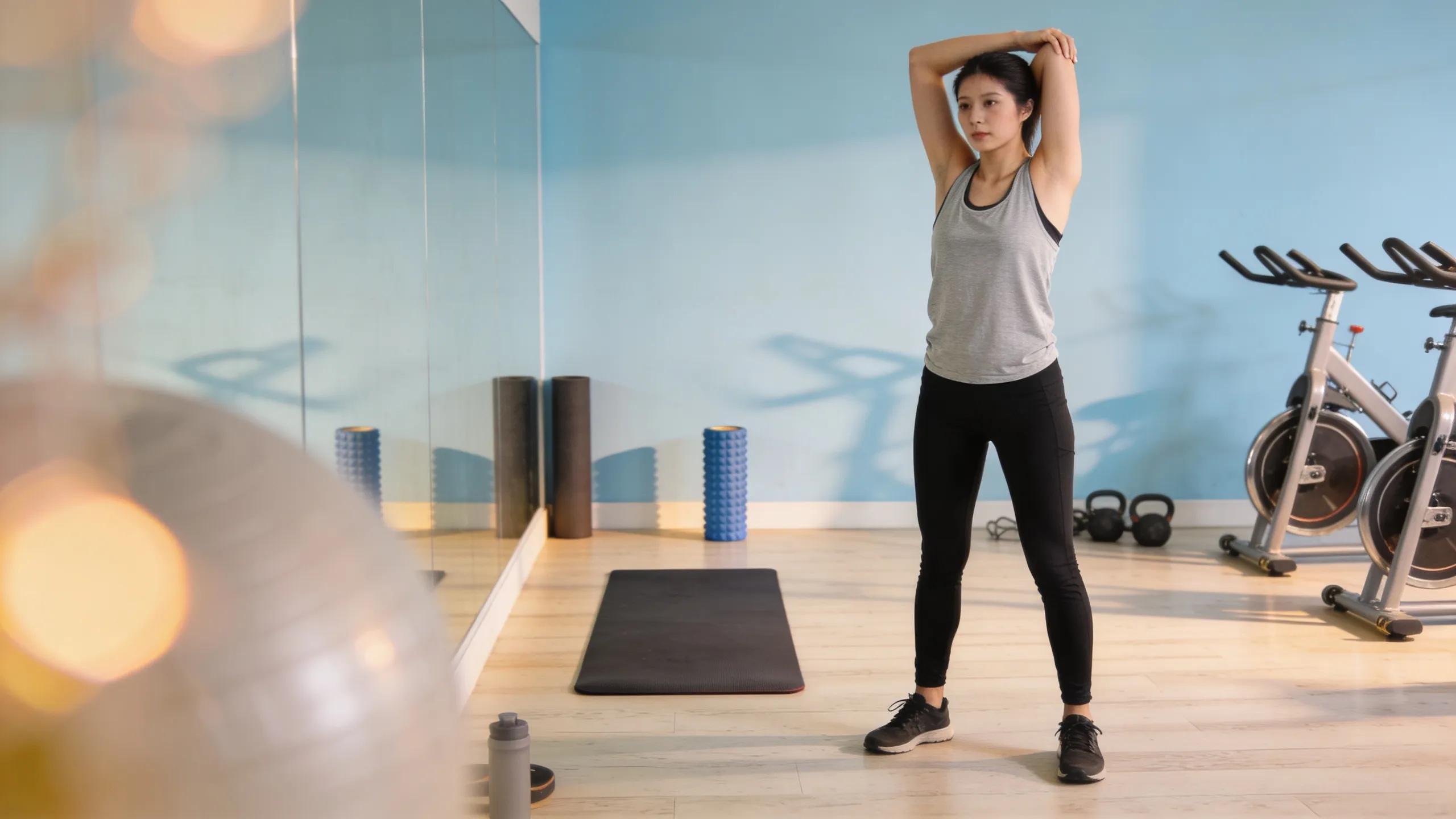
Stretching after exercise improves flexibility and lowers injury risk by helping muscles return to their normal length while they’re still warm. Simple static stretches for major muscle groups — think quads, hamstrings, and lower back — can ease post-workout tightness and speed your return to everyday activity. Making stretching a regular habit also supports better range of motion and safer performance in future workouts.
Foam Rolling

Foam rolling is a self-myofascial release technique that targets tight spots to reduce soreness and improve movement quality. Rolling over areas like the quads, calves, and back increases blood flow and helps nutrients reach muscles more quickly. Use controlled, deliberate rolls on sore areas for a few minutes to complement your post-workout routine — it’s effective for beginners and competitive athletes alike.
Hydration and Nutrition
Replacing fluids and nutrients after exercise is crucial for recovery. Rehydrate with water or electrolyte drinks, and provide your muscles with protein and carbohydrates to rebuild and restore energy. The right calorie and nutrient balance, tailored to your workout intensity, speeds recovery and supports consistent progress. Prioritize nutrient-dense choices and timely hydration to shorten downtime and improve how you feel the next day.
Post-Workout Nutrition: Maximizing Muscle Recovery and Athletic Performance
Muscle recovery returns the body to homeostasis — a balanced state where physiological systems function properly. Homeostasis describes how the body continually adjusts to internal and external changes. Effective post-workout nutrition not only helps the body return to this balanced state but also supports gains in strength and athletic capacity. Maximizing Muscle Recovery: The Role of Post-Workout Nutrition, 2023
Massage and Cryotherapy: Complementary Tools
Beyond basic recovery steps, therapies like massage and cryotherapy are popular for a reason: they complement stretching, rolling, and nutrition by targeting inflammation, circulation, and soft-tissue tension to speed the recovery process.
Massage Therapy
Massage improves circulation, eases muscle tension, and helps reduce soreness through targeted hands-on work. Options such as deep tissue and sports massage focus on problem areas to relieve tightness and encourage tissue repair. Regular sessions can speed recovery timelines, improve movement quality, and leave you feeling more relaxed and ready to train again.
Cryotherapy
Cryotherapy uses cold exposure — from ice packs to whole-body chambers — to limit inflammation and numb pain, helping recovery after intense training. Cold constricts blood vessels and can reduce swelling, which may speed healing during busy training blocks. Athletes often use cryotherapy to limit downtime and maintain intensity across heavy training cycles.
Cryotherapy’s Impact on Muscle Recovery and Inflammation After Damaging Exercise
This randomized trial examined how cryotherapy affects the inflammatory response to muscle-damaging exercise. Twenty recreationally active males completed a 40-min run at a -10 % grade to induce muscle damage. Ten of the subjects were immersed in a 5 °C ice bath for 20 min and the other ten served as controls. Knee extensor peak torque, soreness rating, and thigh circumference were obtained pre- and post-run, and 1, 6, 24, 48, and 72 h post-run. Blood samples were obtained pre- and post-run, and 1, 6 and 24 h post-run for assay of plasma chemokine ligand 2 (CCL2). Peak torque decreased from 270 ± 57 Nm at baseline to 253 ± 65 Nm post-run and increased to 295 ± 68 Nm by 72 h post-run with no differences between groups (p= 0.491). Soreness rating increased from 3.6 ± 6.0 mm out of 100 mm at baseline to 47.4 ± 28.2 mm post-run and remained elevated at all time points with no differences between groups (p= 0.696).
Effect of cryotherapy on muscle recovery and inflammation following a bout of damaging exercise, DH Townson, 2013
The Role of Stretching in Long-Term Fitness
Stretching isn’t just for right after your workout — it’s a foundation for injury prevention, joint health, and better long-term performance. Regular flexibility and mobility work balances muscle tension and keeps joints moving smoothly, which supports continued training and reduces the chance of setbacks from overuse or imbalance.
Recovery Services at Dearborn Racquet and Health Club (DRHC)
DRHC takes a holistic approach to recovery, offering tailored services to help members recover smarter. From dedicated recovery spaces to mobility classes and hands-on coaching, our services are designed to speed recovery and keep you training safely and consistently.
Mobility Work
Mobility sessions at DRHC focus on improving joint range and movement quality through dynamic stretches and controlled drills. These practices prepare your body for exercise, reduce injury risk, and improve how your body handles workload over time.
Restorative Therapies
Restorative offerings include restorative yoga, guided relaxation, and meditation to address both physical and mental recovery. These sessions promote relaxation, aid muscle repair, and support overall wellbeing — an important part of sustainable fitness.
Personalized Nutrition Services
Our Club Nutrition program gives members one-on-one guidance to match eating habits to their training goals. Personalized plans help optimize recovery, improve energy levels, and make nutrition practical and sustainable for daily life.
Key Post-Workout Recovery Methods to Support Muscle Repair
Several straightforward methods reliably help muscles recover. Focus on these core strategies:
- Stretching: Post-exercise stretches that improve flexibility and reduce injury risk.
- Foam Rolling: Releases tightness and boosts circulation for faster repair.
- Proper Hydration: Restores fluids and supports muscle function with electrolytes as needed.
- Nutrition: Protein and carbs after training help rebuild tissue and refill energy stores.
Used together, these practices shorten recovery time and make each workout more productive.
How Massage and Cryotherapy Help Recovery
Massage increases blood flow and relaxes tight muscles, while cryotherapy helps limit inflammation and numb acute pain. Combining these therapies with active recovery and nutrition often produces faster, more reliable results.
Stretching’s Role in Reducing Soreness
Consistent stretching helps preserve muscle elasticity and range of motion. Over time, that consistency lowers the likelihood of soreness and injury and supports smoother recovery between sessions.
Which Recovery Therapies Are Available at Dearborn Racquet and Health Club?
Dearborn Racquet and Health Club provides a range of recovery options to help members train and recover efficiently. Learn more about our full array of recovery therapies on the facilities page.
Pilates Reformer: Mobility and Joint Support
Pilates Reformer classes at DRHC focus on controlled, precise movements that improve mobility, core strength, and joint stability. Proper alignment and muscle control from Reformer work can reduce discomfort and improve how you move through other workouts.
Benefits of Pool Therapy and Corrective Exercise
Aquatic therapy and corrective exercise offer low-impact options for recovery and rehab. Water reduces joint stress while still providing resistance to build strength. Corrective work targets imbalances and movement faults to improve function and reduce future injury risk.
Nutrition Strategies That Aid Recovery

Good post-workout nutrition emphasizes protein to repair tissue, carbohydrates to replenish glycogen, and healthy fats for overall recovery. Pairing nutrient-dense meals or snacks with consistent hydration helps you recover faster and perform better in subsequent workouts.
Top Nutrients for Post-Workout Recovery
Include these nutrients after training to support recovery:
- Protein: Essential for rebuilding muscle fibers and supporting growth.
- Carbohydrates: Refill glycogen so you have energy for your next session.
- Electrolytes: Help maintain fluid balance and muscle function.
Each plays a distinct role in restoring your body and preparing it for future training.
How Club Nutrition Tailors Guidance to You
Through the Club Nutrition program, DRHC provides individualized advice that aligns eating patterns with your training goals. The plan focuses on sustainable changes that improve recovery, performance, and daily energy.
Why Personalized Coaching Matters for Recovery
One-on-one coaching helps you apply the right recovery strategies for your body and goals. Coaches design programs that balance stress and rest, track progress, and adjust protocols so you recover efficiently without sacrificing training gains.
How Performance Training Includes Recovery
Athletic programs at DRHC integrate recovery protocols — planned rest, mobility work, and targeted therapies — so athletes can train harder for longer without accumulating damage or injury.
Steps to Create a Personalized Recovery Plan
Designing an effective recovery plan starts with assessing needs, setting clear recovery goals, and choosing techniques that match your training load. Work with qualified staff, monitor results, and adapt your plan as your training evolves.
Common Questions About Recovery Therapies
Members often ask about how often to use recovery techniques, which methods suit their sport, and what to eat after different workouts. Clear guidance removes guesswork and helps build consistent habits.
Member Results: Real Impact of Recovery Services
Members consistently report feeling stronger, less sore, and more capable of sticking to their training after using DRHC recovery services. Feedback highlights the value of tailored nutrition, restorative classes, and access to specialized equipment.
Most-Valued Recovery Methods Among Members
Popular and well-regarded services include personalized nutrition counseling, restorative classes, and specialty recovery tools — all of which support better outcomes and higher member satisfaction.
To boost performance and overall wellbeing, explore the full range of fitness and health facilities and services offered at Dearborn Racquet and Health Club.
Learn more about the club’s purpose and values on our about us page.
For the latest tips, member stories, and updates, visit our blog.